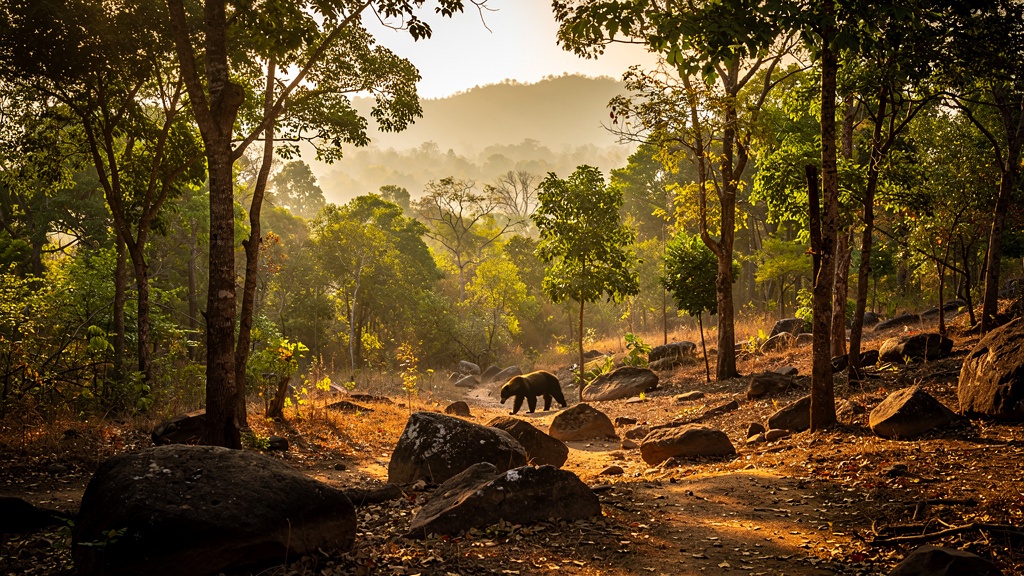
Ratanmahal Sloth Bear Sanctuary
Established in 1982, Ratanmahal is one of Gujarat's most important wildlife sanctuaries. It boasts the highest density of sloth bears in the state, making it a premier destination for wildlife enthusiasts. The sanctuary's dry deciduous forest is also home to leopards, hyenas, wild boars, sambar deer, and over 150 species of birds.
The sanctuary offers guided safaris and nature trails, with knowledgeable forest guides who help spot wildlife and explain the ecosystem.
Visitor Information
Timings: 6:00 AM – 10:00 AM & 3:00 PM – 6:00 PM (seasonal variations apply)
Entry Fee: Nominal fee for Indian and foreign nationals
Guide: Mandatory — forest department guides available
Note: The sanctuary is usually closed during the monsoon (June–September). Always check local updates before planning your visit.
Ratanmahal is about 25 km from Devgadh Baria town. The nearest railway station is Dahod (approx. 60 km). From Dahod, you can hire a taxi or take a local bus to Devgadh Baria, then arrange onward transport to the sanctuary.
Yes! The Gujarat Forest Department runs eco-campsites at Kanjeta and Naldha (see below). These are basic but comfortable — offering tents, dormitories, and simple meals. Booking in advance is recommended.
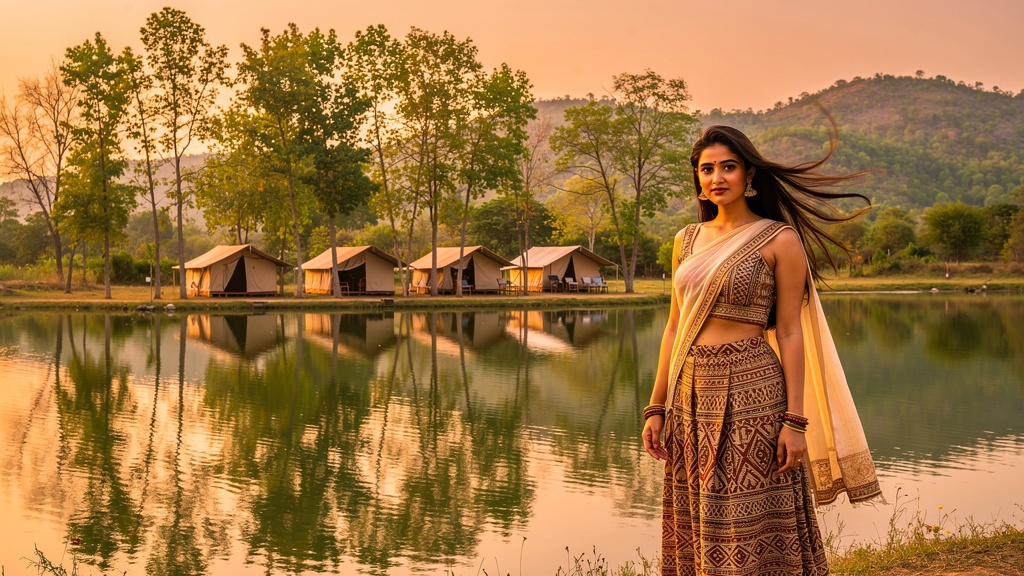
Kanjeta Eco Campsite
Kanjeta is a serene eco-campsite managed by the Gujarat Forest Department, located near the Ratanmahal Sanctuary boundary. The campsite is set around a beautiful lake, making it an ideal spot for birdwatching, stargazing, and simply unwinding in nature.
Accommodation options include Swiss tents and dormitories. Meals are simple, home-style Gujarati thalis. The campsite operates on eco-friendly principles — minimal waste, local ingredients, and no loud music.
View Accommodation Details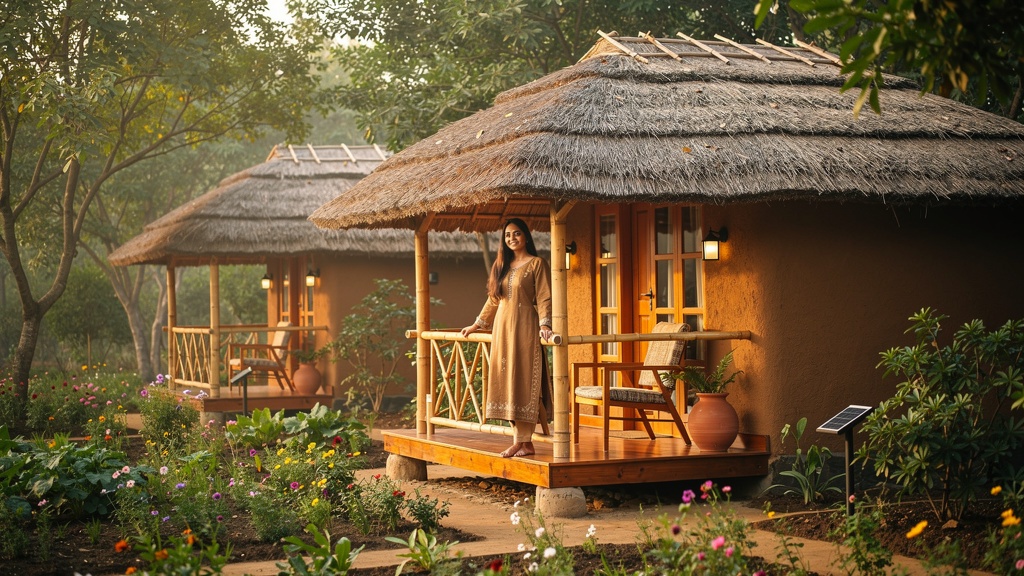
Naldha Eco Campsite
Like Kanjeta, Naldha is another eco-campsite run by the forest department. It offers a similar experience — peaceful lakeside setting, guided nature walks, and a chance to connect with the local tribal community. The camp also organizes cultural evenings featuring Bhil folk performances.
Booking: Advance reservation is required through the Gujarat Forest Department or their website.
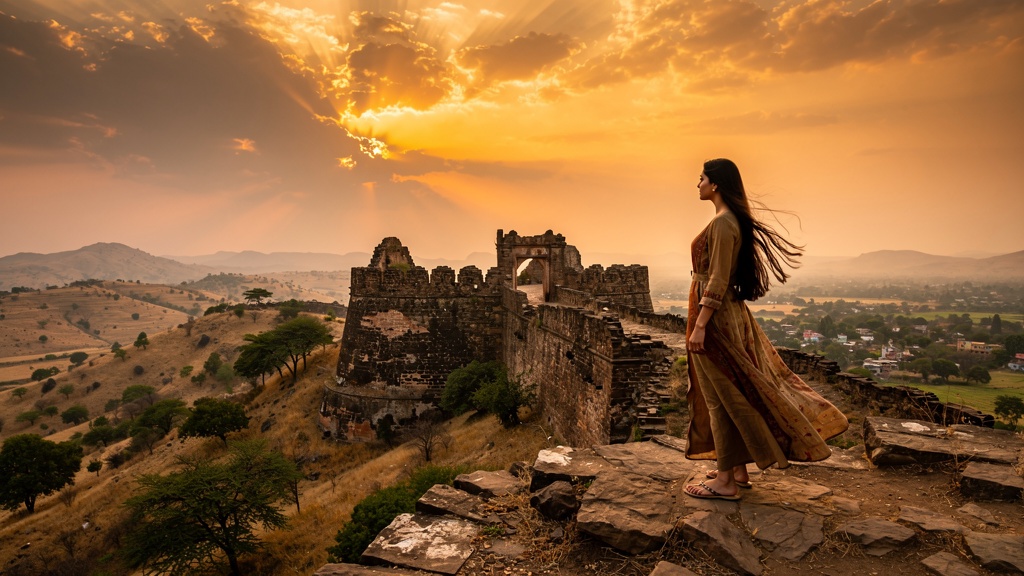
Mangadh Hill & Fort
Mangadh is a historic hill fort that offers panoramic views of the surrounding countryside. The trek to the top passes through scrub forest and rocky terrain, with ancient ruins along the way. The fort's origins are believed to date back several centuries, with later additions by local rulers.
The hill is also home to a small temple dedicated to local deities, visited by pilgrims during certain festivals. The sunset view from the top is absolutely stunning — a must for photographers.
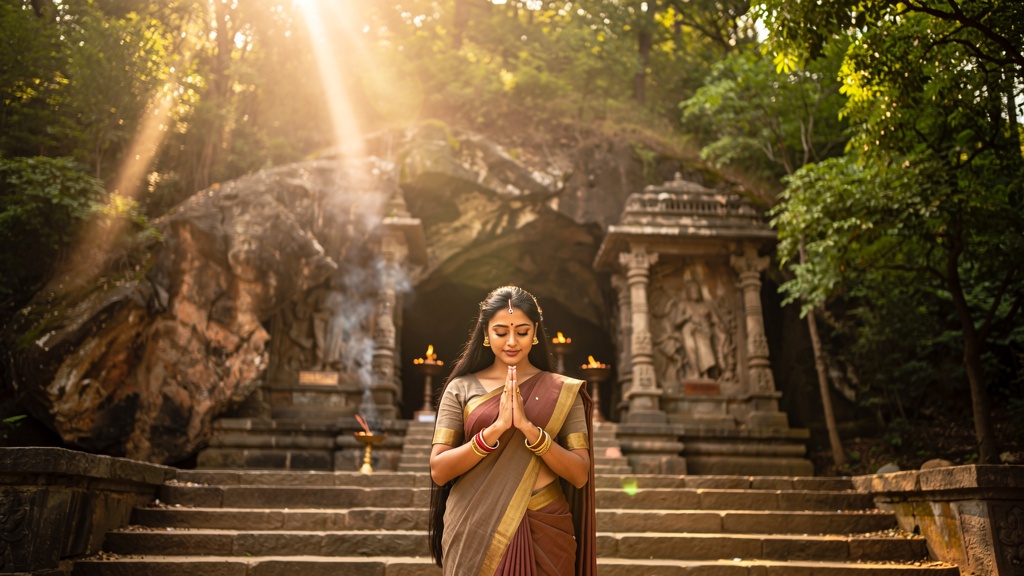
Ancient Temples of Dahod
Dahod district is dotted with temples of historical and spiritual significance:
- Kedarnath Cave Temple (Mahi): A natural cave temple dedicated to Lord Shiva, nestled in a rocky hillside near the Mahi river. The setting is peaceful and dramatic, especially during monsoon when water trickles over the rocks.
- Bavka Shivmandir: An ancient Shiva temple with intricate stone carvings, reflecting the region's architectural heritage.
- Bhamrechi Mata Temple: A hilltop temple dedicated to the goddess, offering panoramic views of the surrounding landscape.
- Other notable temples: Chamunda Mata Temple, Ranchodrai Temple, and several small village shrines that reflect the syncretic culture of the region.
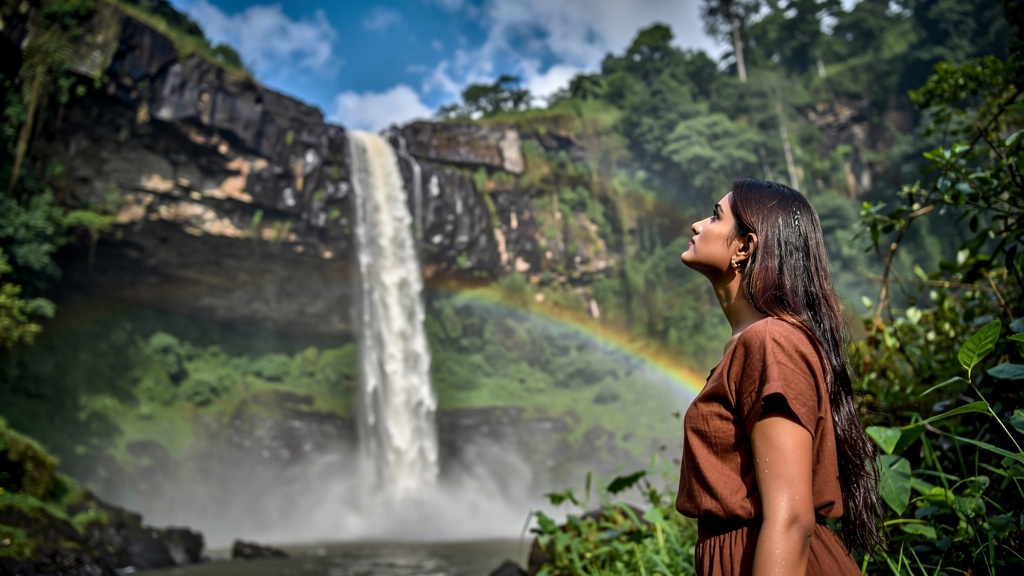
Monsoon Waterfalls & Dams
During the monsoon season, Dahod's landscape transforms into a verdant paradise with numerous seasonal waterfalls cascading down the hills. The most notable ones are near the Panam River and Mahi River valleys.
Several dams in the district — including the Panam Dam and Mahi Dam — create large reservoirs that become picturesque picnic spots. The surrounding hills reflect beautifully in the still waters, especially during the golden hours.
Safety Note
Waterfall areas can be slippery and dangerous during peak monsoon. Always exercise caution, avoid swimming in unknown waters, and check local conditions before visiting.
Frequently Asked Questions
The sanctuary is best visited between October and March when the weather is pleasant and wildlife sightings are more frequent. The sanctuary is usually closed from June to September (monsoon).
Eco-campsites at Kanjeta and Naldha can be booked through the Gujarat Forest Department's official website or by contacting the Dahod Forest Office directly. Advance booking is highly recommended, especially during peak season.
Most temples in Dahod are free to enter. However, some may have small donation boxes for temple maintenance. Dress modestly and remove footwear before entering.