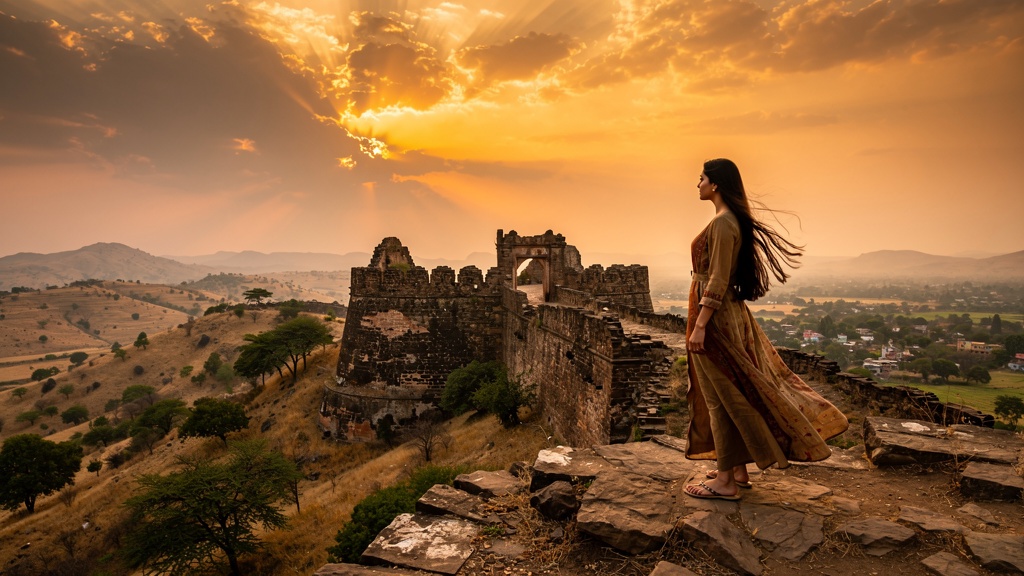
Discover the story of eastern Gujarat's hidden gem — a land where history, nature, and tribal culture converge.
Dahod (also known as Dohad) is a district in eastern Gujarat, strategically located at the tri-junction of Gujarat, Madhya Pradesh, and Rajasthan. Often bypassed by mainstream tourism, this region offers an authentic slice of India — from ancient forests and rolling hills to vibrant tribal communities and centuries-old temples.
The name "Dahod" is derived from "Dadhipadra," linked to the sage Dadhichi, a revered figure in Hindu mythology. Over centuries, the area has witnessed the rule of various dynasties and played a role in India's freedom struggle.
Today, Dahod is emerging as a destination for responsible travellers seeking something off the beaten path — a place where every visit supports local communities and conservation efforts.
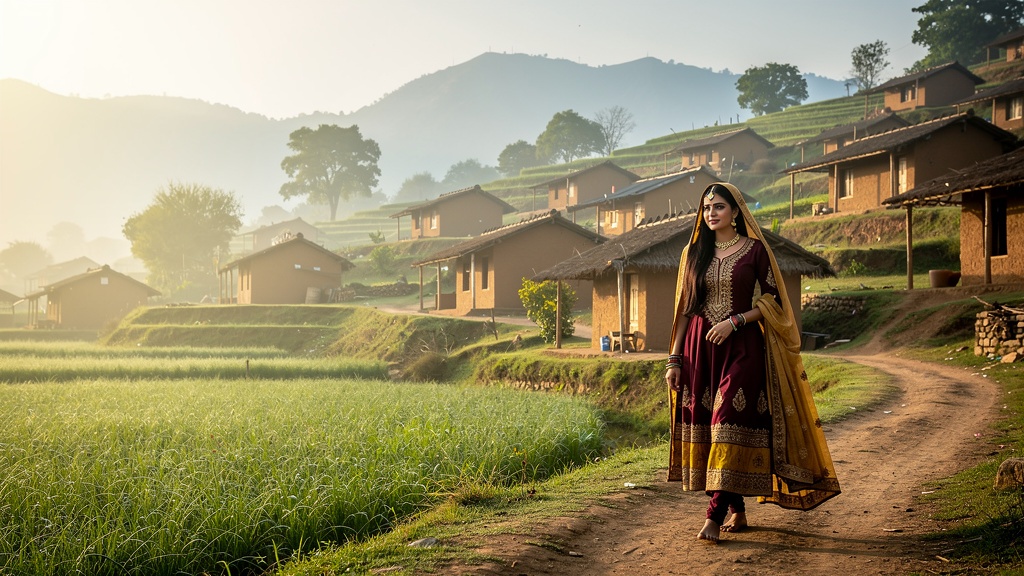
The history of Dahod is rich and multifaceted. According to local tradition, the area was named after the sage Dadhichi, whose sacrifice is a cornerstone of Hindu mythology.
In more documented history, Dahod gained prominence as the birthplace of Mughal Emperor Aurangzeb in 1618 (then known as Dohad), while his father Shah Jahan was governor of Gujarat. The town's Mughal-era mosque and stepwells still bear testimony to this period.
During the Indian Rebellion of 1857, Tatya Tope — a key figure in the uprising — was captured in Dahod's forests, marking an important page in India's freedom struggle.
The region was also part of the princely states under British rule before merging into independent India.
Dahod district spans approximately 3,642 sq km and lies at an average elevation of 300–400 metres above sea level. Its landscape is defined by:
The district borders Madhya Pradesh to the east and Rajasthan to the north, making it a cultural and ecological crossroads.
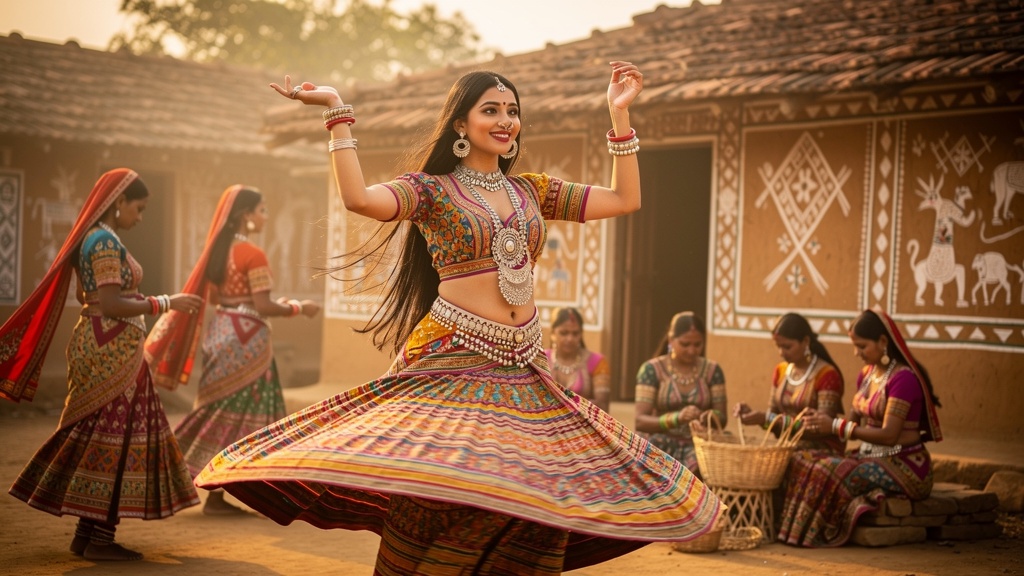
The majority of Dahod's population comprises tribal communities, primarily the Bhil and Patiala tribes, along with other Scheduled Tribes. Their vibrant culture is woven into the fabric of everyday life — from the intricate Pithora wall paintings that adorn homes to the energetic folk dances performed during festivals.
The Bhil community is known for:
What makes this offbeat destination special
Ratanmahal Sanctuary offers one of the best chances in Gujarat to see sloth bears in their natural habitat — without the crowds of more famous parks.
Stay in eco-camps run by local communities, learn about Bhil traditions, and witness art forms that have survived for centuries.
No queues, no selfie sticks, no commercial hustle. Just pure, unfiltered travel experiences in a landscape of surprising beauty.
Your visit directly supports conservation efforts and local livelihoods. Be part of a travel model that gives back.