The Bhil Tribe of Dahod

The Bhil community is one of India's largest tribal groups, and Dahod is home to a significant population. Their name derives from the Dravidian word "bil" meaning bow — a reference to their traditional skill as archers. Today, the Bhils of Dahod are known for their rich cultural heritage, close connection to nature, and warm hospitality.

Bhil society is organized around clan structures, with each village having its own headman. Agriculture is the primary livelihood, supplemented by forest produce, handicrafts, and increasingly, community-based tourism.
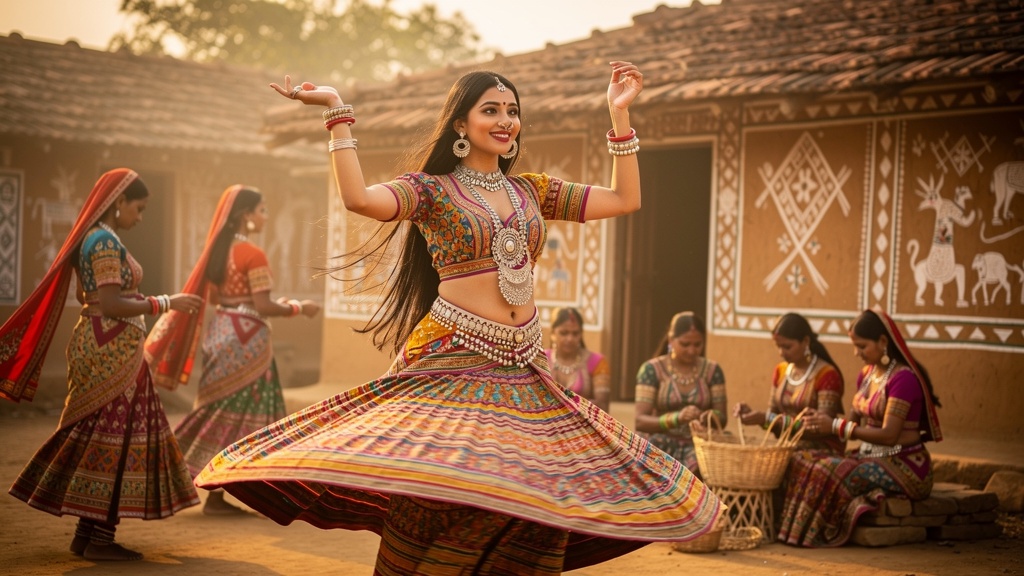
Bhil women in traditional attire

Art & Craft Traditions

Music, Dance & Festivals

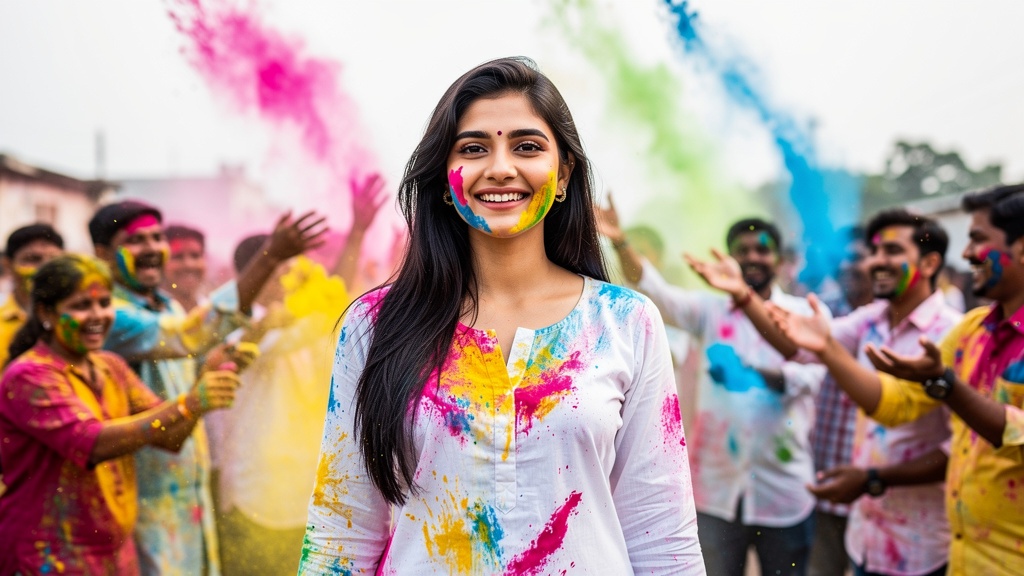
Holi festival celebration in Dahod

Music and dance are integral to Bhil culture. The Gol Dadheda is the most famous dance form — a circle dance performed by women and men in colourful attire, accompanied by traditional instruments like the dhol (drum), shehnai (wind instrument), and jhanjh (cymbals).

Key festivals celebrated in Dahod:

  • Holi: Celebrated with great enthusiasm across communities. Tribal villages have their own unique way of celebrating — with traditional songs, dances, and organic colours made from flowers.
  • Diwali: The festival of lights is observed with traditional rituals, oil lamps, and community gatherings.
  • Navratri: While Garba is popular in towns, tribal villages have their own distinct dance forms and celebrations.
  • Local fairs: Many villages host annual fairs (melas) during local temple festivals — featuring folk performances, handicraft stalls, and traditional games.

Food Culture

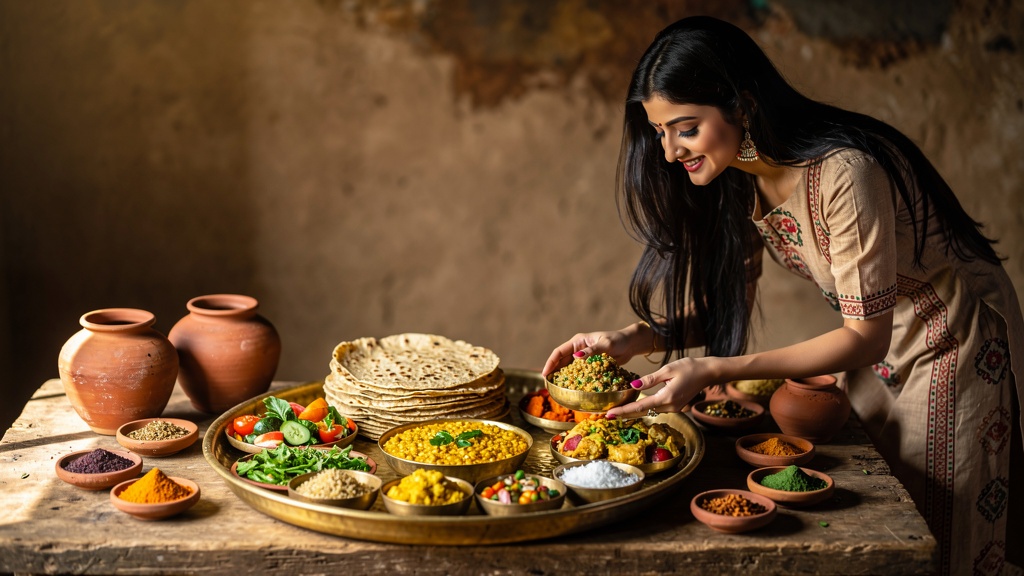
Bhil cuisine is simple, nutritious, and deeply connected to the forest and fields. Staple foods include:

  • Rotla — thick flatbreads made from maize (corn) or millet (bajra), often eaten with chilli-garlic chutney.
  • Dal and Kadhi — lentil-based preparations flavoured with local spices.
  • Forest produce — seasonal berries, tubers, and leafy greens foraged from the wild.
  • Mahua — the flowers of the mahua tree are used to make a traditional drink and also cooked as food.

Explore Full Food Guide

Traditional food from Dahod region

Responsible Cultural Tourism

How to engage respectfully with local communities